In preparing to write my annual "welcome new year" post I re-read my posts from the past two years (here and here). I hope it comes as no surprise to anyone else that some of what I wrote turned out to be wrong.
It's benign stuff, for example, at the end of 2014, Iris wasn't sleeping through the night as I thought. Turns out that Evan had been staying up late to work and had been giving her a bottle around 9:30pm every evening and that would get her to 4:00am. Now, however, I am fully correct in saying that Iris IS staying in bed all night long (even if she's not asleep the whole time). We are bribing her, to be perfectly honest. She gets a fruit leather every morning if she stays in her bed all night long.
As she gets older, I'm sure I'll come to regret some of the bribes and other methods I've used to elicit good behavior, but for now the sleep is too sweet to sacrifice (says the lady who's about to give birth any day). Her sleep patterns have been totally weird this year and was sometimes staying up until almost 9:00pm, which was awful. We had a sleep study done at the beginning of December to find out whether there was any physical reason that she wasn't sleeping well. I don't recommend the sleep study to anyone.

They found that she has very mild obstructive sleep apnea. It is so mild that Evan and I decided not to follow up with anyone about it; my perspective on her sleep has improved now that I'm getting more sleep.
Another milestone we reached with Iris is that she is now only wearing big-girl undies. I hesitate to say that she is potty trained. We're not in a rush and I want her to keep tabs on her own bodily urges. She doesn't stay as hydrated as I'd like, particularly since it's so important for her medical condition. But she does use the potty when she needs to and otherwise fights us every time we suggest that she go.
The spunk never stops.
To be fair to her, she is much better about using the potty at school where she indulges in peer pressure to conform. She started school at Temple Sinai preschool two days per week in April and moved to three days in September. Her teacher is a treasure to us and makes Iris feel loved and secure while she's there.
Watching Iris's social development has been a total joy this year. Her teacher tells us that she is very empathetic with the other kids and tries to make new kids feel welcome and comfortable. When she is playing with older kids she wants to do everything identically to them. She'll repeat every action and every word they say. Part of me hates this, of course, since it can produce such bad results in adolescence. But for now I think it makes total sense and she has learned so much (some good and some bad) from other children.
At the end of 2014 we had just gotten Iris's ACTA2 r179c genetic diagnosis. We met with the researcher who discovered the mutation on New Year's Eve of 2014 and had a whole new (and pretty unwelcome) world open up to us. I think it took us a good seven months to adapt to it all. I amassed a set of reading material about death and grief, some of which remains unread. Somewhere along the way I got my fill.
I had made up my mind to quit my job and to quit my dissertation and focus on trying to advance research on this genetic mutation and the associated risk factors (i.e. pediatric stroke and stenosis of the arteries). And then at some point I realized that choosing that path would be too stressful and that I couldn't let this diagnosis govern our whole lives.
It's probably not a coincidence that Evan and I joined a church. Evan had been going with me to First Universalist of Denver prior to our receiving the diagnosis and he had even suggested we join before then, but it took us until July to take the plunge. Evan probably hates that I'm writing about this as he hasn't fully accepted that he is what one might call a "church-goer" now, even if it is a church where people with atheist/humanist belief structures are welcome and attend regularly. It's an easier adjustment for me since church has always been a part of my life and my identity and I know that weekly attendance makes me a better person.
The latter part of 2015 went by in a flash. We took trips to New Mexico (twice) and to California to visit family and we welcomed Evan's friend and his family to live with us while they adjusted to life in Colorado. Evan got to climb his first 14rs (mountains that are over 14,000 feet in elevation) and I was jealous that I had to sit at home and be pregnant. And then we bought a house and moved!
As we begin 2016 I haven't fully grasped the huge change that is about to come once this baby arrives. I have 12 weeks of parental leave from my job that I'll chop up into smaller bits to last until the end of May. After that I'll return at a slightly reduced schedule. We'll be doing a lot of improvising, I am sure.
One goal we (I) have for this year is to get off the internet and our phones a bit more. I'm not sure how drastic this will be, but I'm hoping to replace screen time with family sing-alongs.
It's benign stuff, for example, at the end of 2014, Iris wasn't sleeping through the night as I thought. Turns out that Evan had been staying up late to work and had been giving her a bottle around 9:30pm every evening and that would get her to 4:00am. Now, however, I am fully correct in saying that Iris IS staying in bed all night long (even if she's not asleep the whole time). We are bribing her, to be perfectly honest. She gets a fruit leather every morning if she stays in her bed all night long.
 |
| The "I stayed in my bed all night long" prize. Grape is her favorite. |
As she gets older, I'm sure I'll come to regret some of the bribes and other methods I've used to elicit good behavior, but for now the sleep is too sweet to sacrifice (says the lady who's about to give birth any day). Her sleep patterns have been totally weird this year and was sometimes staying up until almost 9:00pm, which was awful. We had a sleep study done at the beginning of December to find out whether there was any physical reason that she wasn't sleeping well. I don't recommend the sleep study to anyone.

They found that she has very mild obstructive sleep apnea. It is so mild that Evan and I decided not to follow up with anyone about it; my perspective on her sleep has improved now that I'm getting more sleep.
Another milestone we reached with Iris is that she is now only wearing big-girl undies. I hesitate to say that she is potty trained. We're not in a rush and I want her to keep tabs on her own bodily urges. She doesn't stay as hydrated as I'd like, particularly since it's so important for her medical condition. But she does use the potty when she needs to and otherwise fights us every time we suggest that she go.
The spunk never stops.
To be fair to her, she is much better about using the potty at school where she indulges in peer pressure to conform. She started school at Temple Sinai preschool two days per week in April and moved to three days in September. Her teacher is a treasure to us and makes Iris feel loved and secure while she's there.
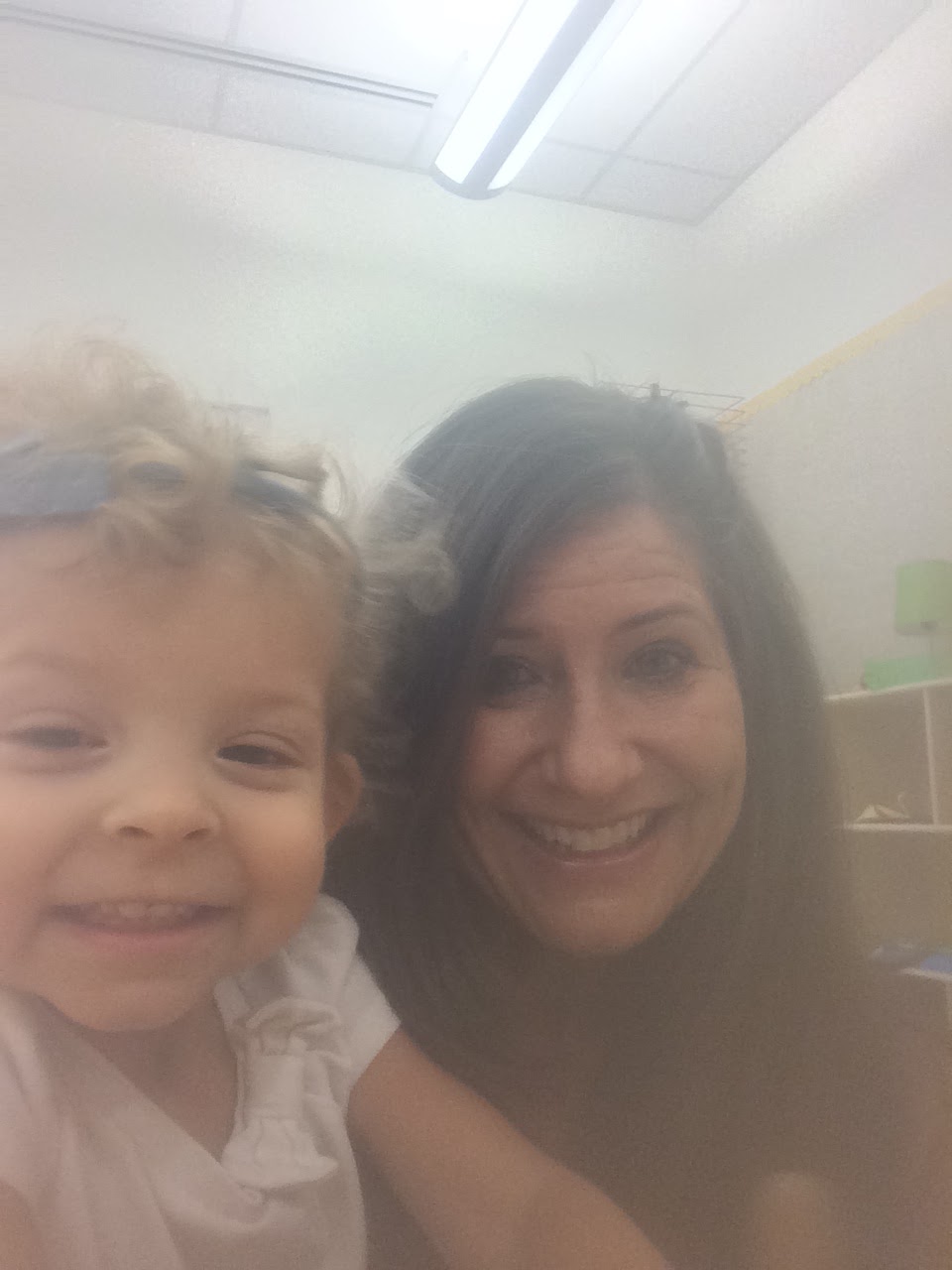
Watching Iris's social development has been a total joy this year. Her teacher tells us that she is very empathetic with the other kids and tries to make new kids feel welcome and comfortable. When she is playing with older kids she wants to do everything identically to them. She'll repeat every action and every word they say. Part of me hates this, of course, since it can produce such bad results in adolescence. But for now I think it makes total sense and she has learned so much (some good and some bad) from other children.
At the end of 2014 we had just gotten Iris's ACTA2 r179c genetic diagnosis. We met with the researcher who discovered the mutation on New Year's Eve of 2014 and had a whole new (and pretty unwelcome) world open up to us. I think it took us a good seven months to adapt to it all. I amassed a set of reading material about death and grief, some of which remains unread. Somewhere along the way I got my fill.
I had made up my mind to quit my job and to quit my dissertation and focus on trying to advance research on this genetic mutation and the associated risk factors (i.e. pediatric stroke and stenosis of the arteries). And then at some point I realized that choosing that path would be too stressful and that I couldn't let this diagnosis govern our whole lives.
It's probably not a coincidence that Evan and I joined a church. Evan had been going with me to First Universalist of Denver prior to our receiving the diagnosis and he had even suggested we join before then, but it took us until July to take the plunge. Evan probably hates that I'm writing about this as he hasn't fully accepted that he is what one might call a "church-goer" now, even if it is a church where people with atheist/humanist belief structures are welcome and attend regularly. It's an easier adjustment for me since church has always been a part of my life and my identity and I know that weekly attendance makes me a better person.
The latter part of 2015 went by in a flash. We took trips to New Mexico (twice) and to California to visit family and we welcomed Evan's friend and his family to live with us while they adjusted to life in Colorado. Evan got to climb his first 14rs (mountains that are over 14,000 feet in elevation) and I was jealous that I had to sit at home and be pregnant. And then we bought a house and moved!
As we begin 2016 I haven't fully grasped the huge change that is about to come once this baby arrives. I have 12 weeks of parental leave from my job that I'll chop up into smaller bits to last until the end of May. After that I'll return at a slightly reduced schedule. We'll be doing a lot of improvising, I am sure.
One goal we (I) have for this year is to get off the internet and our phones a bit more. I'm not sure how drastic this will be, but I'm hoping to replace screen time with family sing-alongs.

